



- Energy costs rarely spike overnight.
They creep up slowly. Month after month. - Most businesses notice the increase.
Very few know exactly why it is happening. - Machines are running. Production is stable.
But electricity bills keep rising.
This is where an energy audit becomes important. Not as a compliance formality. But as a practical tool to understand where energy is being consumed, wasted, or silently misused.
What Is an Energy Audit?
An energy audit is a structured evaluation of how energy is used inside a facility.
It examines:
- Where energy enters the system
- How it flows through equipment and processes
- Where losses, inefficiencies, or risks exist
In simple terms, it answers three basic questions:
- How much energy are you using?
- Where exactly is it being used?
- Where are you losing money without realising it?
Under the Energy Conservation Act, 2001, an energy audit is defined as the verification, monitoring, and analysis of energy use, followed by recommendations and a cost-benefit action plan to improve efficiency. For businesses, this means moving from assumptions to data-backed decisions.

Why Businesses Delay Energy Audits (And Why That Costs More Later)
Many businesses postpone energy audits for common reasons.
- Equipment appears to be working fine
- Monthly bills are reviewed, so energy feels “controlled”
- Audits are assumed to be disruptive
- Savings are expected to be marginal
The reality is different.
Most energy losses are gradual and invisible.
They do not trigger alarms. They show up only as higher operating costs over time.
Delaying an audit often leads to:
- Continuous energy wastage
- Overloaded or stressed equipment
- Undetected electrical risks
Higher repair and replacement costs later
Why Should Your Business Do an Energy Audit?
An energy audit is not about cutting corners.
It is about using energy smarter.
Identify Hidden Energy Wastage
Energy losses often occur in:
- Motors operating below efficiency
- Poor power factor
- Inefficient HVAC systems
- Lighting running beyond required hours
- Process equipment running idle
These losses do not appear clearly in electricity bills.
An audit brings them to the surface.
Reduce Energy Costs Without Affecting Production
Energy savings do not mean slowing down operations.
Audits focus on:
- Optimising how systems run
- Improving efficiency, not reducing output
- Eliminating unnecessary consumption
Most savings come from better control, not shutdowns.
Improve Equipment Performance and Lifespan
Inefficient energy use puts stress on equipment.
Common issues identified during audits include:
- Overloaded motors
- Voltage imbalance
- Harmonics affecting sensitive equipment
- Poor cooling or ventilation
Fixing these early helps:
- Reduce breakdowns
- Extend equipment life
- Improve reliability
Support Compliance and Audit Readiness
Energy audits help businesses prepare for:
- Internal safety audits
- Regulatory inspections
- ISO 50001 energy management systems
- ESG and sustainability reporting
They provide documented proof of energy performance and improvement actions.
Who Conducts Energy Audits in India?
In India, energy audits are typically conducted by professionals certified by the Bureau of Energy Efficiency.
There are two main categories:
- Certified Energy Auditors (CEA)
- Accredited Energy Auditors (AEA)
Large energy-intensive facilities, known as Designated Consumers, are required to engage accredited auditors as per law. Apart from this, many engineering and energy consulting firms offer energy audit services for commercial and industrial facilities.
How Is an Energy Audit Conducted?
A standard energy audit follows three practical stages.
How Is an Energy Audit Conducted?
A standard energy audit follows three practical stages.
Stage 1:
Evaluation and Data Collection
This includes:
- Review of past electricity bills
- Understanding operating schedules
- Equipment inventory
- Site walkthrough
- Discussions with maintenance and operations teams
This stage establishes the energy baseline.
Stage 2:
Testing and Measurement
This is where actual inefficiencies are detected.
Common tests include:
- Power quality analysis
- Load monitoring
- Thermographic inspection
- Equipment efficiency checks
- Sub-metering for major loads
Testing reveals problems that are not visible to the naked eye.
Stage 3:
Recommendations and Action Plan
The audit report usually contains:
- Identified inefficiencies
- Recommended improvement measures
- Estimated energy savings
- Cost of implementation
- Payback period and ROI
This helps management prioritise actions based on impact and feasibility.
Types of Energy Audits
Not every facility needs the same level of audit.
Walk-Through or Preliminary Audit
- Basic site inspection
- Review of utility data
- Identification of obvious inefficiencies
Best suited for:
- Small facilities
- First-time audits
General or Targeted Energy Audit
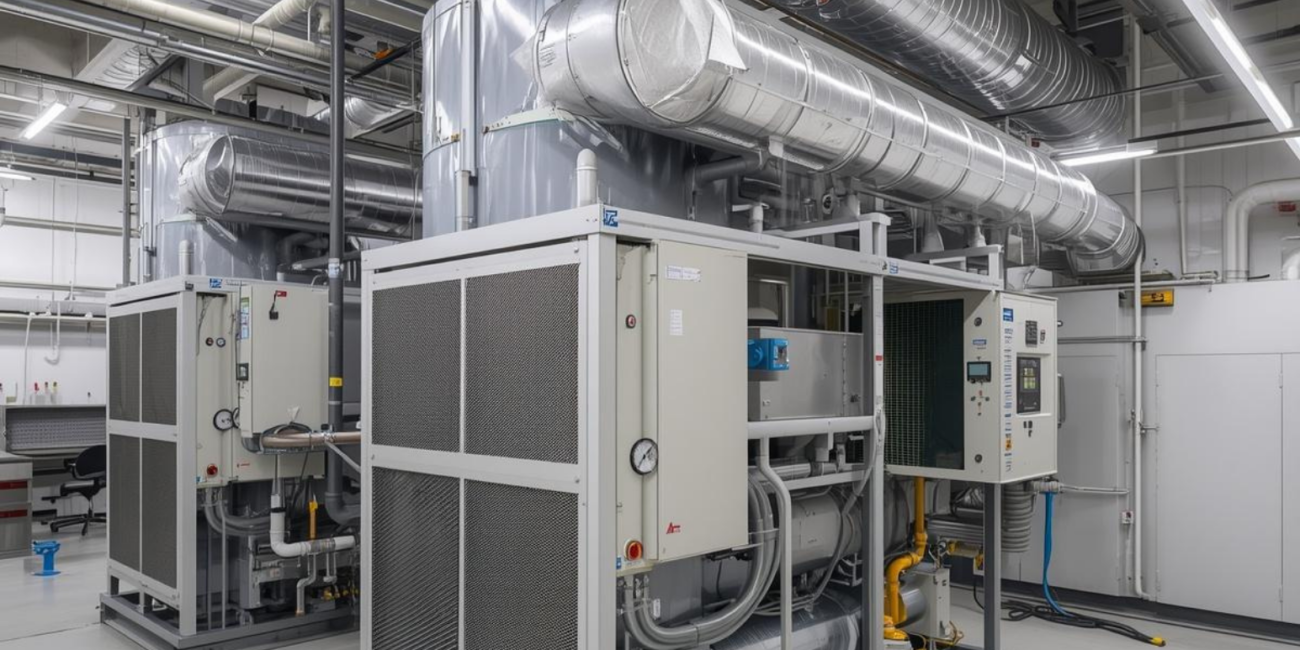
- Focus on specific systems like HVAC or lighting
- Detailed data analysis for selected areas
Best suited for:
- Medium-sized facilities
- Known problem areas
Detailed or Comprehensive Energy Audit
- Covers all major energy systems
- Includes advanced testing and monitoring
- Provides quantified savings and payback
Best suited for:
- Industrial plants
Large commercial facilities

Investment-Grade Audit
- High-detail technical and financial analysis
- Includes NPV, IRR, and lifecycle costing
Best suited for:
- Capital-intensive upgrades
- Projects seeking external funding
What Areas Are Covered in an Energy Audit?
A typical audit evaluates:
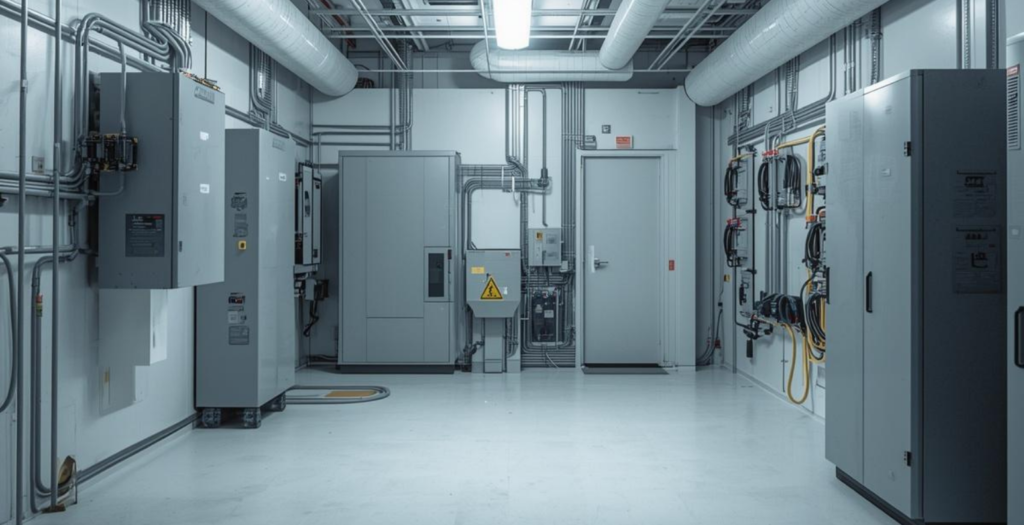
- Electrical distribution systems
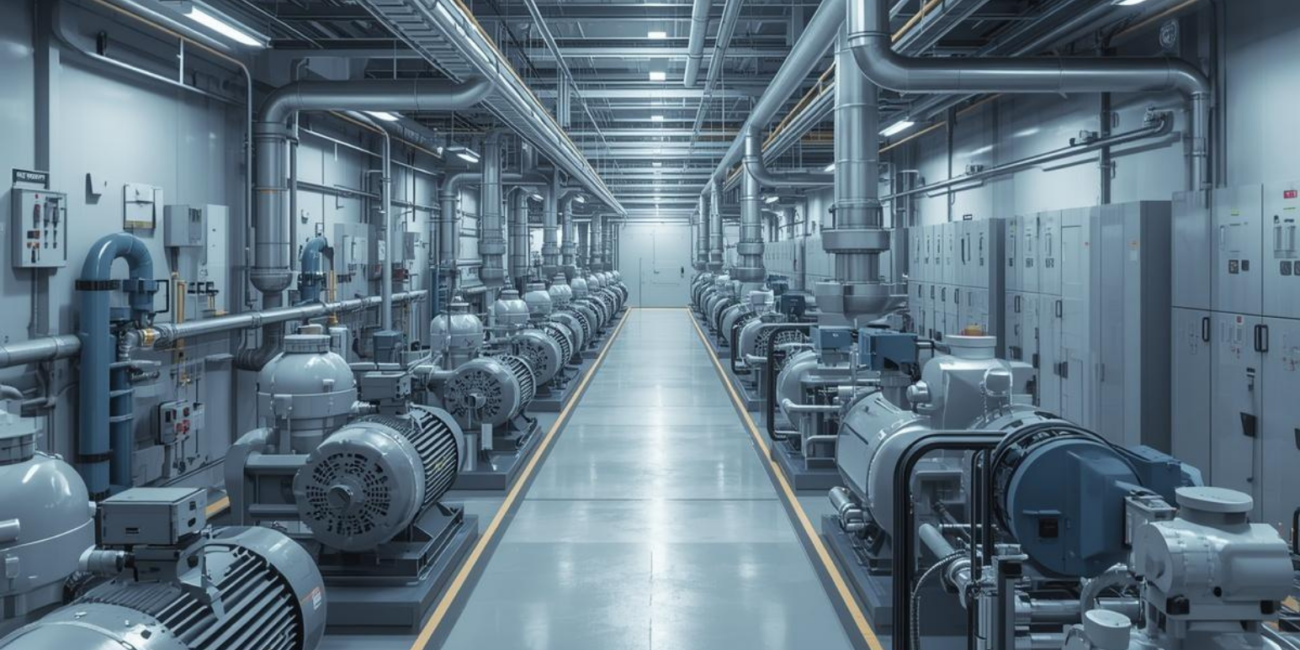
- Motors, pumps, and compressors
- HVAC systems
- Lighting
- Process loads
- Operational practices
- Energy monitoring and controls
This holistic view ensures no major energy stream is missed.
Signs Your Facility Needs an Energy Audit Now
- Energy bills are rising without expansion
- Equipment overheats or trips frequently
- Power quality issues are reported
- Maintenance costs are increasing
- Compliance or certification audits are upcoming
- Energy data is difficult to explain to management
If more than one applies, an audit is overdue.
What Happens After an Energy Audit?
An audit is not the end. It is the starting point.
Post-audit actions usually include:
- Prioritising recommendations
- Implementing low-cost improvements first
- Planning capital upgrades in phases
- Tracking energy performance over time
Facilities that act on audit findings see the real value.
Is an Energy Audit Worth the Investment?
For most industrial and commercial facilities, yes.
Typical outcomes include:




10 to 20 percent reduction in energy costs
Improved equipment reliability
Reduced risk of electrical failures
Better compliance readiness
The cost of inaction is usually higher than the audit itself.
Conclusion. Energy Audits Are About Control, Not Just Cost Saving
An energy audit is not only about reducing electricity bills.
It helps businesses:
- Understand energy behaviour
- Reduce hidden risks
- Improve operational efficiency
- Support long-term sustainability goals
In a business environment where margins are tight and accountability is high, knowing where your energy goes is no longer optional.
It is a management necessity.