Energy efficiency has become a critical priority for industries and commercial facilities aiming to control operational costs and improve sustainability. Rising electricity tariffs and increasing power consumption make it essential for businesses to understand how energy is used within their facilities.
An Energy Audit helps organizations analyze energy consumption, identify inefficiencies, and implement improvements to reduce electricity costs. However, energy audits are typically conducted at different levels depending on the depth of analysis required.
Two commonly used approaches are the Preliminary Energy Audit and the Detailed Energy Audit. Understanding the difference between these two audits helps businesses choose the right approach for their facility.

What Is a Preliminary Energy Audit?
A Preliminary Energy Audit, also known as a Walk-through Energy Audit, is the first level of energy assessment conducted in a facility. It provides a quick overview of how energy is consumed and identifies major areas where energy losses may occur.
This type of audit focuses on identifying obvious inefficiencies without performing extensive measurements or data analysis.
Key Features of Preliminary Energy Audit
- Quick assessment of energy consumption
- Review of electricity bills and tariff structure
- Identification of major energy-consuming equipment
- Basic inspection of electrical systems and operations
- Identification of potential energy-saving opportunities
A preliminary energy audit for industries is often used as an initial step before conducting a more detailed analysis.
What Is a Detailed Energy Audit?
A Detailed Energy Audit is a comprehensive analysis of energy usage within a facility. It involves extensive monitoring, measurements, and data analysis to identify specific inefficiencies and quantify potential energy savings.
This audit provides technically justified recommendations with financial analysis, implementation strategies, and estimated payback periods.
Key Features of Detailed Energy Audit
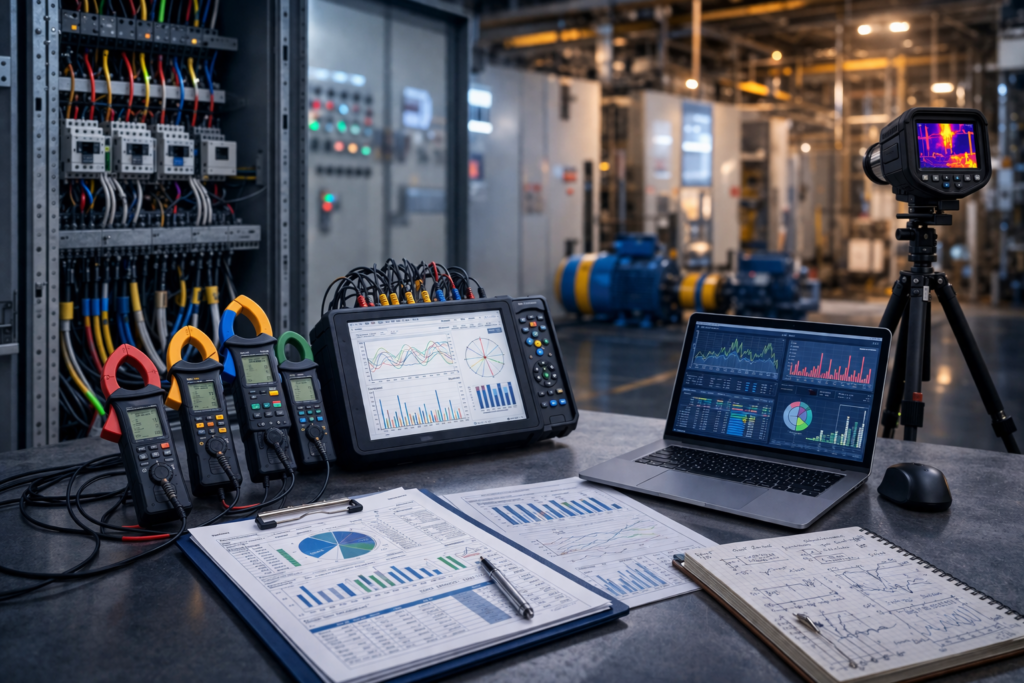
- In-depth monitoring of electrical systems
- Equipment performance evaluation
- Power quality analysis
- Load profiling and demand analysis
- Identification of energy losses with measurable data
- Detailed energy-saving recommendations with ROI calculations
A detailed energy audit for manufacturing industries helps businesses implement targeted improvements that significantly reduce electricity consumption.
Preliminary Energy Audit vs Detailed Energy Audit
Parameter | Preliminary Energy Audit | Detailed Energy Audit |
Purpose | Quick overview of energy consumption | Comprehensive energy analysis |
Level of Analysis | Basic inspection | In-depth technical analysis |
Data Collection | Limited measurements | Extensive monitoring and data logging |
Time Required | Short duration | Longer and more detailed process |
Output | Identification of potential issues | Detailed report with solutions and savings estimation |
Investment Planning | Limited financial analysis | Includes ROI and payback analysis |
While a preliminary energy audit identifies general areas of energy waste, a detailed energy audit provides specific solutions supported by measurable data.
When Should Businesses Conduct a Preliminary Energy Audit?
When Should Businesses Conduct a Detailed Energy Audit?
A preliminary energy audit is useful when:
- A facility has never conducted an energy audit before
- Businesses want a quick overview of energy consumption
- Initial energy-saving opportunities need to be identified
- Management wants to assess the potential benefits of deeper analysis
This audit helps organizations understand whether a detailed audit is required.
A detailed energy audit is recommended when:
- Electricity costs are significantly high
- Power factor penalties are being applied
- Maximum demand charges are increasing
- Equipment efficiency needs evaluation
- Businesses want measurable energy savings
Industries aiming to reduce electricity costs and improve operational efficiency benefit greatly from conducting a detailed industrial energy audit.
Benefits of Conducting Energy Audits
Both preliminary and detailed energy audits provide valuable insights for businesses.
Reduce Electricity Costs
Improve Equipment Efficiency
Optimize Power Factor and Demand

Energy audits identify inefficiencies that increase electricity consumption and provide practical solutions to reduce energy bills.

Energy audits evaluate motors, compressors, pumps, HVAC systems, and other equipment to ensure optimal performance.

Proper energy analysis helps businesses avoid power factor penalties and reduce maximum demand charges.
Enhance Power Quality
Support Energy Management Goals


Power quality issues such as voltage imbalance and harmonic distortion can be identified and corrected through energy audits.
Energy audits help organizations build a structured energy management strategy and improve sustainability practices.
How Three Phase Techno Solutions Supports Industrial Energy Audits
Three Phase Techno Solutions provides professional services including:
- Preliminary Energy Audits
- Detailed Energy Audits
- Power Quality Analysis
- Electrical Safety Audits
- Thermography Inspection
- Energy Efficiency Improvement Planning
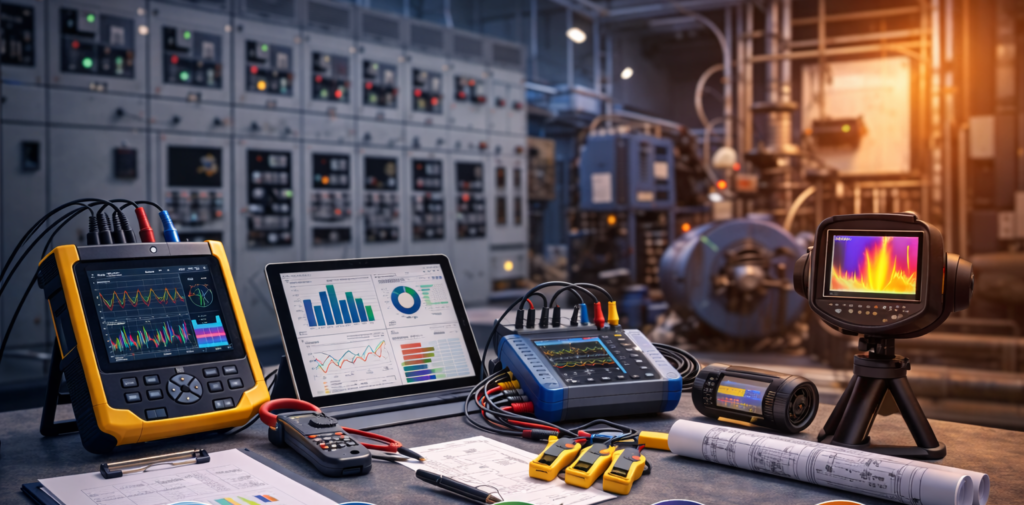
Our approach combines engineering expertise with advanced measurement tools to deliver accurate insights and practical recommendations.
Conclusion
Both Preliminary Energy Audits and Detailed Energy Audits play important roles in improving energy efficiency. While a preliminary audit provides an overview of energy consumption, a detailed audit delivers in-depth analysis and actionable solutions.
For industries aiming to reduce electricity costs, improve equipment performance, and optimize power usage, conducting a Detailed Energy Audit is a strategic step toward long-term energy efficiency.