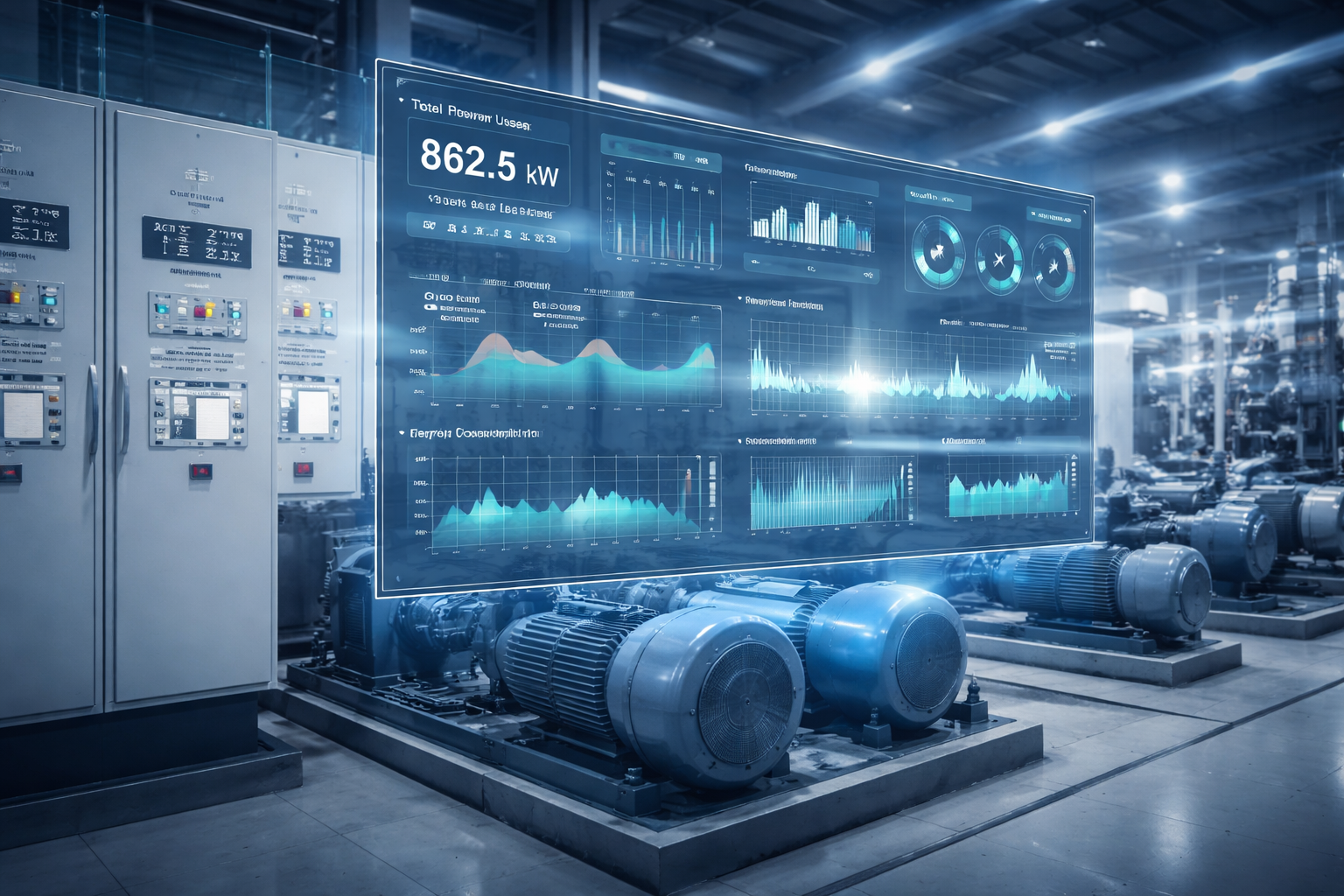
Energy is one of the largest operational expenses in industrial facilities. Manufacturing plants, textile units, processing industries, and commercial buildings rely heavily on electrical systems such as motors, compressors, pumps, HVAC equipment, and lighting. Without proper visibility into how energy is consumed, businesses often face rising electricity bills and unexpected demand penalties.
Real-Time Energy Monitoring helps industries track electricity consumption continuously, identify inefficiencies, and make informed decisions to reduce energy costs. By monitoring electrical parameters in real time, businesses gain the insights needed to improve efficiency and control power usage.
What Is Real-Time Energy Monitoring?
Real-time energy monitoring is the process of continuously measuring and analyzing electricity consumption across different systems within a facility. Using energy meters, IoT gateways, and monitoring software, electrical parameters are collected and visualized through dashboards and reports.
A real-time energy monitoring system typically tracks parameters such as:
- Voltage and current
- Active power and reactive power
- Power factor
- Energy consumption (kWh)
- Maximum demand
- Harmonic distortion
- Phase imbalance
These parameters help engineers and facility managers understand how energy is used across different machines, departments, and utilities.
Why Industries Need Real-Time Energy Monitoring
In many industries, energy usage is monitored only through monthly electricity bills. This approach provides limited information and does not reveal when or where energy wastage occurs.
Real-time monitoring helps industries identify issues immediately and take corrective action before they affect operational costs.
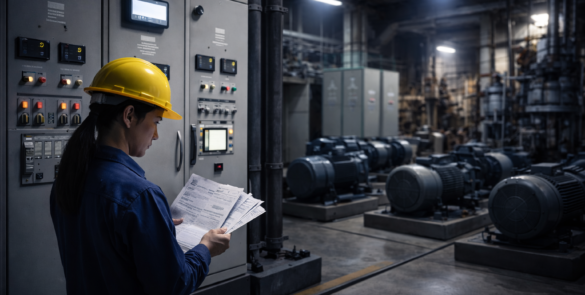
Ways Real-Time Energy Monitoring Reduces Industrial Electricity Cost
1. Identifying Energy Waste
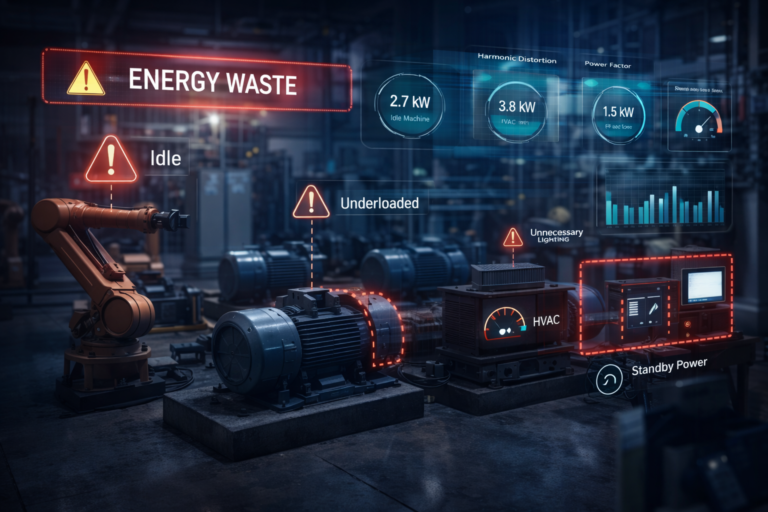
One of the biggest advantages of industrial energy monitoring is the ability to identify where energy is being wasted.
Real-time monitoring helps detect:
- Idle machines consuming power
- Inefficient equipment operation
- Excessive standby consumption
- Unnecessary lighting or HVAC operation
By identifying these inefficiencies, industries can reduce unnecessary electricity consumption.
2. Reducing Maximum Demand Charges
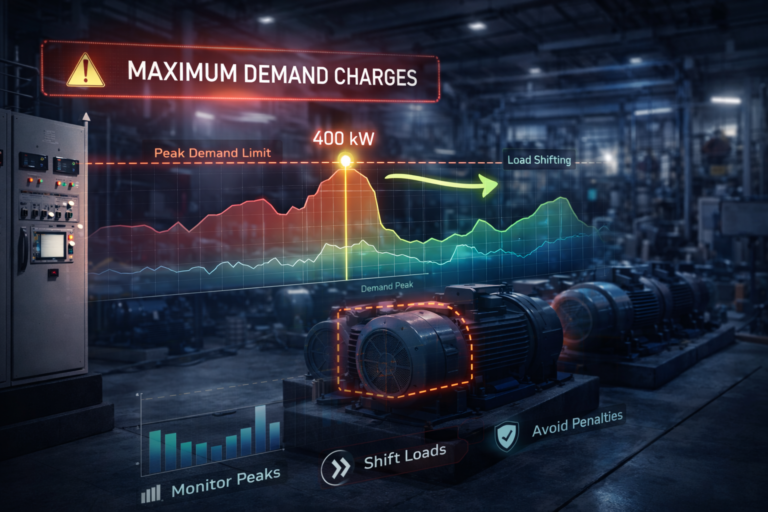
Electricity tariffs often include charges based on maximum demand, which refers to the highest level of power consumed during a billing cycle.
Real-time monitoring systems track demand continuously and allow industries to:
- Monitor demand peaks
- Shift loads during high consumption periods
- Avoid demand penalties
This helps businesses significantly reduce electricity costs.
3. Improving Power Factor
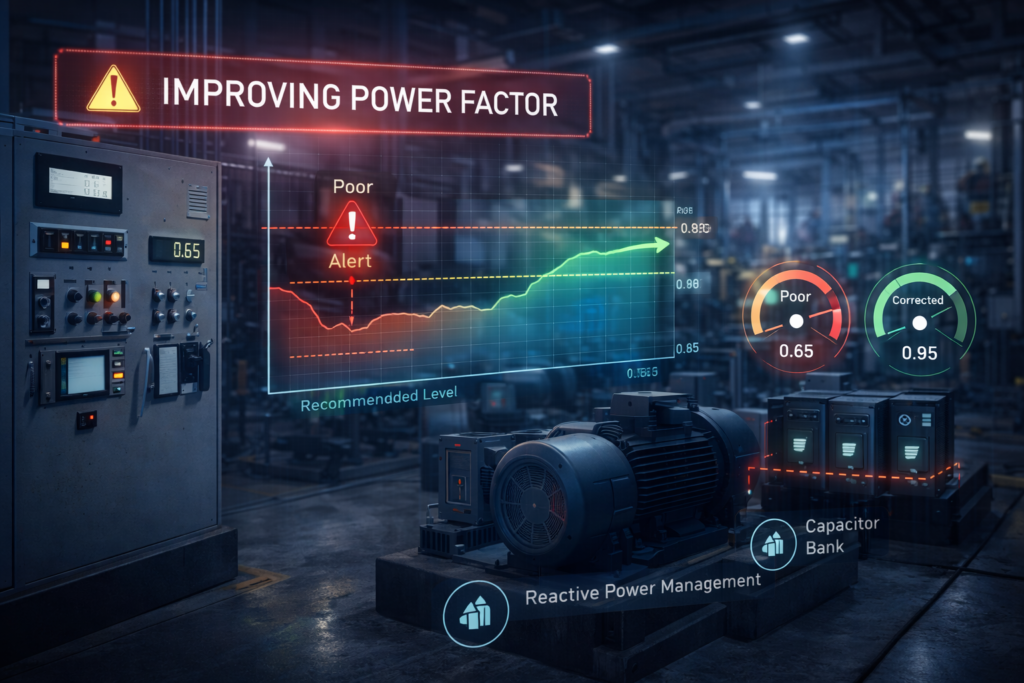
Poor power factor increases electricity bills and may result in penalties from utility providers.
A real-time energy monitoring system continuously tracks power factor and alerts operators when it drops below recommended levels. This enables timely correction through capacitor banks or reactive power management.
4. Detecting Power Quality Issues
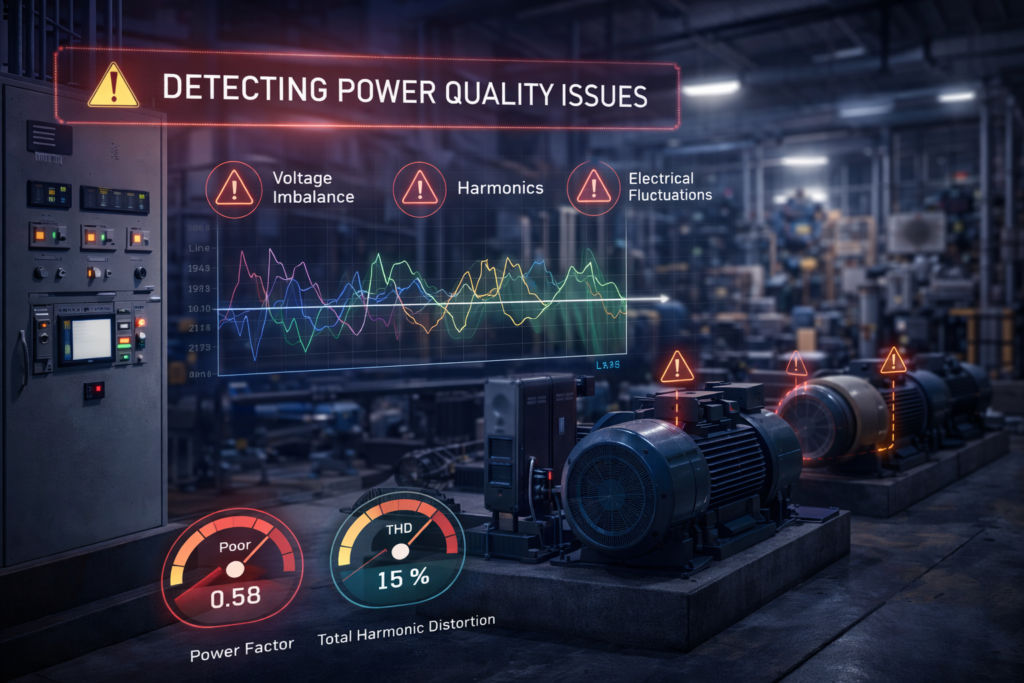
Power quality problems such as voltage imbalance, harmonics, and electrical fluctuations can increase energy consumption and damage equipment.
Through power quality monitoring, industries can detect these issues early and implement corrective actions to improve system efficiency.
5. Monitoring Equipment Performance
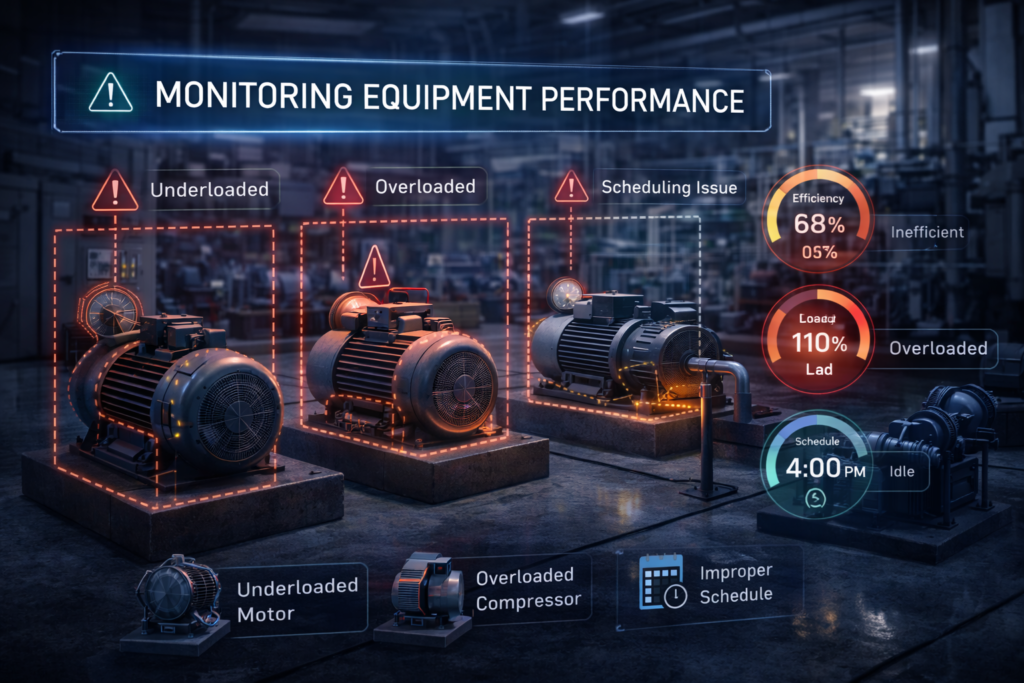
Industrial equipment like motors, compressors, and pumps consume a large portion of electrical energy. Real-time monitoring allows engineers to evaluate equipment performance and identify inefficient operation.
For example:
- Underloaded motors operating inefficiently
- Overloaded equipment causing energy losses
- Improper operating schedules
Optimizing equipment usage can significantly reduce energy consumption.
6. Enabling Data-Driven Energy Management
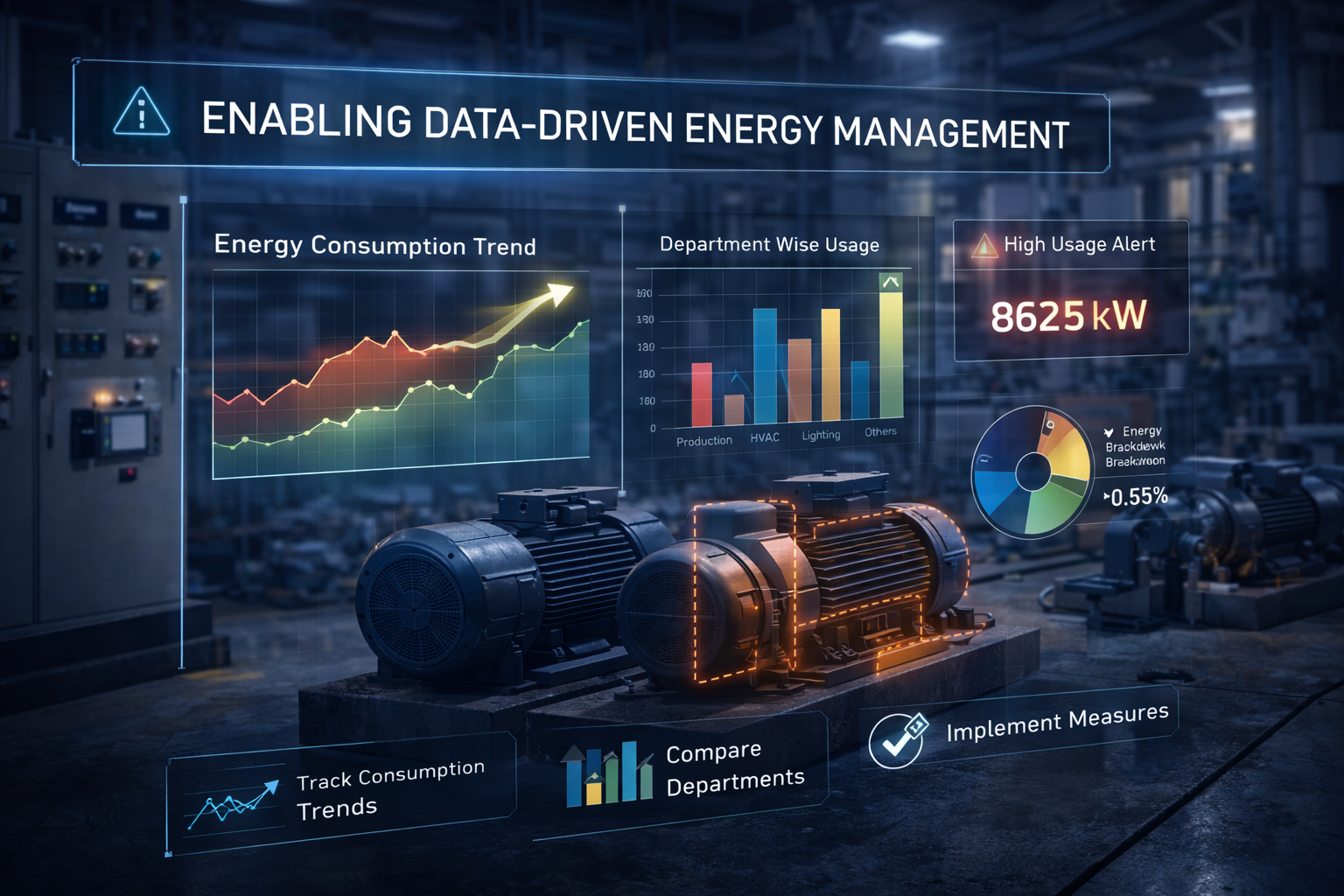
Real-time monitoring systems generate valuable energy data that can be analyzed to improve operational strategies.
Energy managers can:
- Track consumption trends
- Compare department-wise energy usage
- Identify high energy-consuming processes
- Implement energy-saving measures
This data-driven approach improves overall industrial energy management.
Key Components of a Real-Time Energy Monitoring System
A typical industrial energy monitoring solution includes:
Energy Meters
Measure electrical parameters such as voltage, current, power, and energy consumption.
IoT Gateway
Collects data from energy meters using communication protocols such as Modbus or RS485 and transmits it to a central platform.
Cloud-Based Platform or Dashboard
Displays real-time energy data, historical trends, and alerts through dashboards and reports.
Analytics and Alerts
Advanced monitoring platforms generate alerts when energy parameters exceed predefined limits.
Benefits of Real-Time Energy Monitoring for Industries
Implementing a real-time energy monitoring system provides several benefits:

Reduction in electricity bills
Improved energy efficiency
Better power quality management

Prevention of demand penalties
Improved equipment reliability
Data-driven energy management
These advantages make energy monitoring an essential tool for modern industrial facilities.
How Three Phase Techno Solutions Helps Industries Monitor Energy
Three Phase Techno Solutions provides advanced energy monitoring and electrical analysis services to help industries optimize energy consumption.
Our solutions include:
- Real-time energy monitoring systems
- Energy audits and efficiency analysis
- Power quality analysis
- Demand optimization solutions
- Electrical safety inspections
By combining advanced monitoring technologies with engineering expertise, we help industries reduce energy costs and improve operational efficiency.
Conclusion
Rising electricity costs make energy efficiency a critical priority for industries. Real-time energy monitoring provides continuous visibility into energy usage, enabling businesses to identify inefficiencies and take corrective action immediately.
By implementing a real-time energy monitoring system, industries can reduce electricity costs, improve equipment performance, and build a more efficient energy management strategy.
For organizations looking to control operational expenses and improve energy efficiency, real-time energy monitoring is a powerful solution.