Power System Study
Power System Study & Analysis
Stop Managing Problems. Start Preventing Them.
When something finally breaks, the disruption is expensive. A Power System Study is a detailed engineering analysis of your facility’s electrical infrastructure. Using software modelling tools, our engineers simulate how your power system performs under different conditions.
Think of it like a full diagnostic scan for your electrical network. Instead of waiting for something to fail, you get a clear technical picture of where the risks are and what to do about them.
These studies are essential when designing new systems, expanding infrastructure, or ensuring that your current setup is safe, efficient, and correctly protected.
Why Do Industrial Facilities Need This?
Electrical failures rarely happen without warning. The warning signs are just invisible until you look for them.
Unexpected Tripping
Breakers tripping with no clear cause or pattern, leading to unexpected production halts.
Overheating Motors
Motors running hot or failing earlier than expected due to power quality or load issues.
Capacity Expansion
Uncertainty about whether your protection settings are still correct after adding new loads.
Rising Energy Bills
Increasing costs without a clear reason, often due to poor power factor or harmonics.
Power System Study & Analysis
Power system study & analysis are measures executed to understand the performance of power systems under specified conditions. These studies are undertaken in order to design new systems or expand existing systems. With the increasing trend of complex power systems, the objective is to provide a convenient, efficient & reliable power system under various operating conditions without compromising quality. Using software modelling tools, these system studies ensure optimised system performance.
Power System Study consists of
Electrical Distribution Assessments:
A full review of your distribution network, from incoming supply through HT/LT panels to end loads.This establishes the baseline for all other studies.
Load Flow Study & Analysis
Simulates how power flows through your system under different operating conditions. Identifies overloaded cables, transformers, and panels before they cause problems.
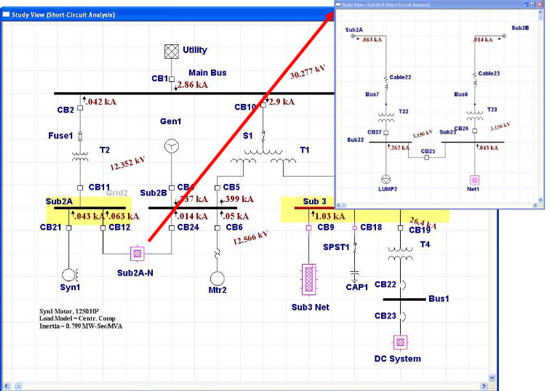
Short Circuit Analysis
Calculates the maximum fault currents your system can produce. Ensures your protection devices and equipment are rated to safely handle those levels.
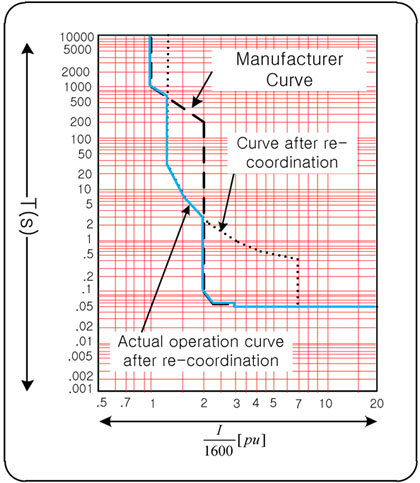
Time-Current Coordination
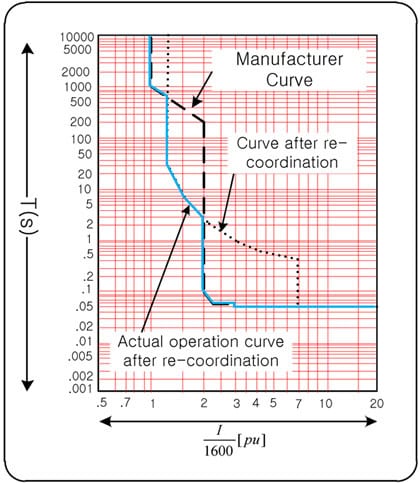
Verifies that your protection relays are set correctly so faults are isolated quickly without unnecessarily tripping healthy parts of the network.
Power Factor Correction
Identifies reactive power losses and recommends capacitor bank sizing to reduce penalties and improve system efficiency.
Electrical Load Monitoring
Captures actual operating data from your system — not just nameplate ratings — to feed accurate inputs into the study models.

Motor Torque/Acceleration Analysis
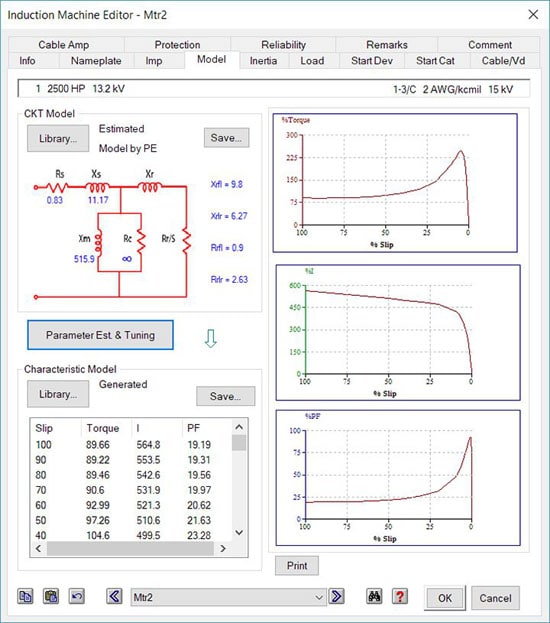
Evaluates whether your power system can handle the starting current demands of large motors without causing voltage dips that affect other equipment.
Harmonic Analysis
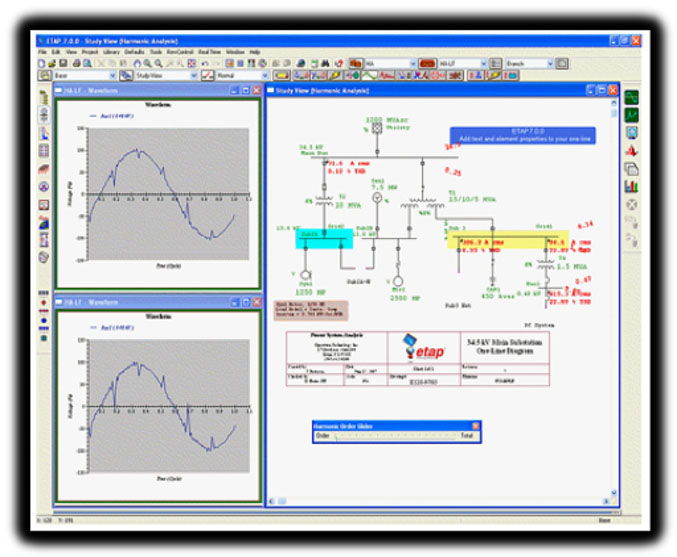
Identifies harmonic distortions caused by VFDs, UPS systems, and non-linear loads. Recommends filters and corrective measures to prevent equipment damage.

Transient Analysis
Studies voltage and current transients caused by switching events, lightning, or capacitor bank operations that can damage sensitive equipment.

Load Flow Grounding & Earthing Analysis
Verifies the effectiveness of your grounding network. Ensures fault currents are safely dissipated and step/touch voltages remain within safe limits.
Voltage Drop Analysis
Checks that voltage levels at motor terminals and sensitive equipment stay within acceptable limits during startup and normal operation.
Lightning Protection
Evaluates your facility's exposure to lightning risk and the adequacy of existing protection systems.
How the Study Works
Our process is designed to minimise disruption to your operations while delivering technically accurate results.
1. Scope Definition
We meet with your operations and maintenance team to understand your facility, current pain points, and what decisions the study needs to support.
2. Data Collection
We collect existing single-line diagrams, equipment nameplates, cable schedules, load lists, and protection relay settings. Where data is unavailable, we conduct site measurements.
3. System Modelling
Our engineers build a software model of your electrical network and run simulations for each study component.
4. Analysis & Findings
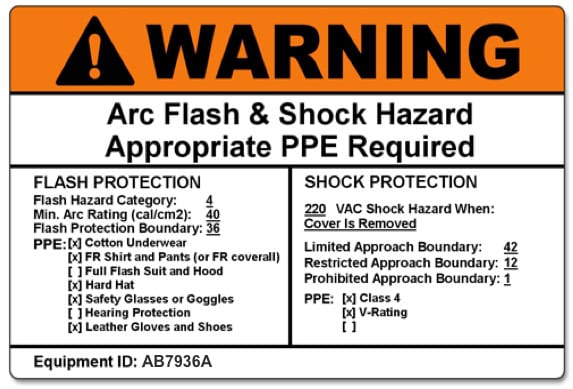
We identify risk areas, overloaded equipment, incorrect protection settings, and compliance gaps.
5. Detailed Report
You receive a structured report with findings, risk ratings, and specific recommendations — not just raw data.
6. Implementation Guidance
Our team can support the implementation of recommended corrective actions, from relay resetting to equipment upgrades.
Optimize Your Electrical Maintenance
Protect Your Operations
The Cost of Electrical Failures
Even minor electrical issues can lead to severe consequences, including:
Operational Downtime: Extensive and costly interruptions to company operations.
Equipment Damage: Destruction of critical equipment or inventory during power outages.
Maintenance Expenses: High costs associated with locating and repairing damaged electrical components.
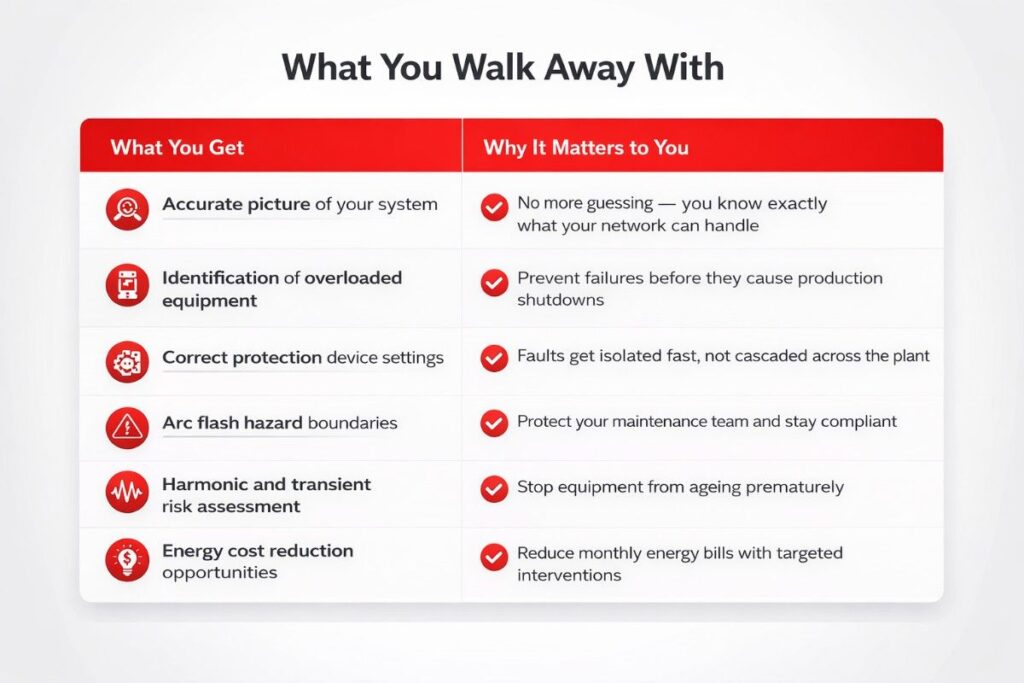
Benefits of Power System Study
Who Should Commission a Power System Study?
This service is built for industrial and commercial facilities with significant electrical infrastructure.
Manufacturing plants planning capacity additions or equipment upgrades
Operations managers responsible for uptime who need data to justify maintenance investments
Facilities that have experienced repeated protection tripping or equipment failures
EHS and compliance teams preparing for safety audits or regulatory inspections
Plants that haven’t had a formal electrical analysis in more than 3–5 years
New facilities in commissioning that need validation of their electrical design
Frequently Asked Questions
It depends on the size and complexity of your facility. For a mid-size manufacturing plant, most studies are completed within 2–4 weeks from data collection to final report. Larger or more complex sites may take longer.
No. Most of the work is done using existing documentation and software modelling. Where on-site measurements are needed, these are typically done during normal operation and do not require shutdowns.
Ideally, we need single-line diagrams, a load schedule or equipment list, cable schedules, transformer ratings, and existing protection relay settings. If some of this data is unavailable, we can work around it — we’ll discuss this during the scoping call.
Yes. Our reports don’t just flag problems — they include prioritised recommendations with enough technical detail for your team to act on, or for us to support you in doing so.
A Power System Study is typically conducted once and then repeated after major changes to your facility. If you add significant new loads, change your distribution layout, or expand your plant, the study should be updated to reflect those changes.
Yes. We cover both Low Tension (LT) and High Tension (HT) systems as part of the analysis.
Let's Look at Your System - Before Something Forces You To
Most electrical failures are preventable. A Power System Study gives you the technical clarity to make better decisions about your infrastructure — whether you’re planning an upgrade, responding to repeated issues, or simply ensuring you’re compliant.
Talk to a 3PhTech engineer- a clear conversation about what your facility actually needs.
Most electrical failures are preventable. A Power System Study gives you the technical clarity to make better decisions about your infrastructure — whether you’re planning an upgrade, responding to repeated issues, or simply ensuring you’re compliant.