
Introduction
Industrial electrical networks consist of interconnected components such as transformers, switchgear, cables, motors, and distribution panels that operate under varying load conditions. Improper load distribution, voltage drops, and overloading can lead to increased energy losses, inefficient system performance, and unexpected equipment failures. In many industries, these issues remain unnoticed until they result in downtime or higher electricity costs. Load flow study is a critical analysis tool used to evaluate the performance of electrical power systems, helping industries optimize power distribution, maintain voltage stability, and ensure efficient and reliable operations.
What is Load Flow Study in Power System Analysis
Load flow study, also known as power flow analysis, is a systematic method used to calculate voltage levels, current flow, active power (kW), and reactive power (kVAR) at different points in an electrical network. It helps in understanding how electrical power flows through the system under normal and peak load conditions. Engineers use load flow analysis to evaluate system performance, identify weak points, and ensure that all equipment operates within safe limits.
Common Causes of Issues Identified Through Load Flow Study
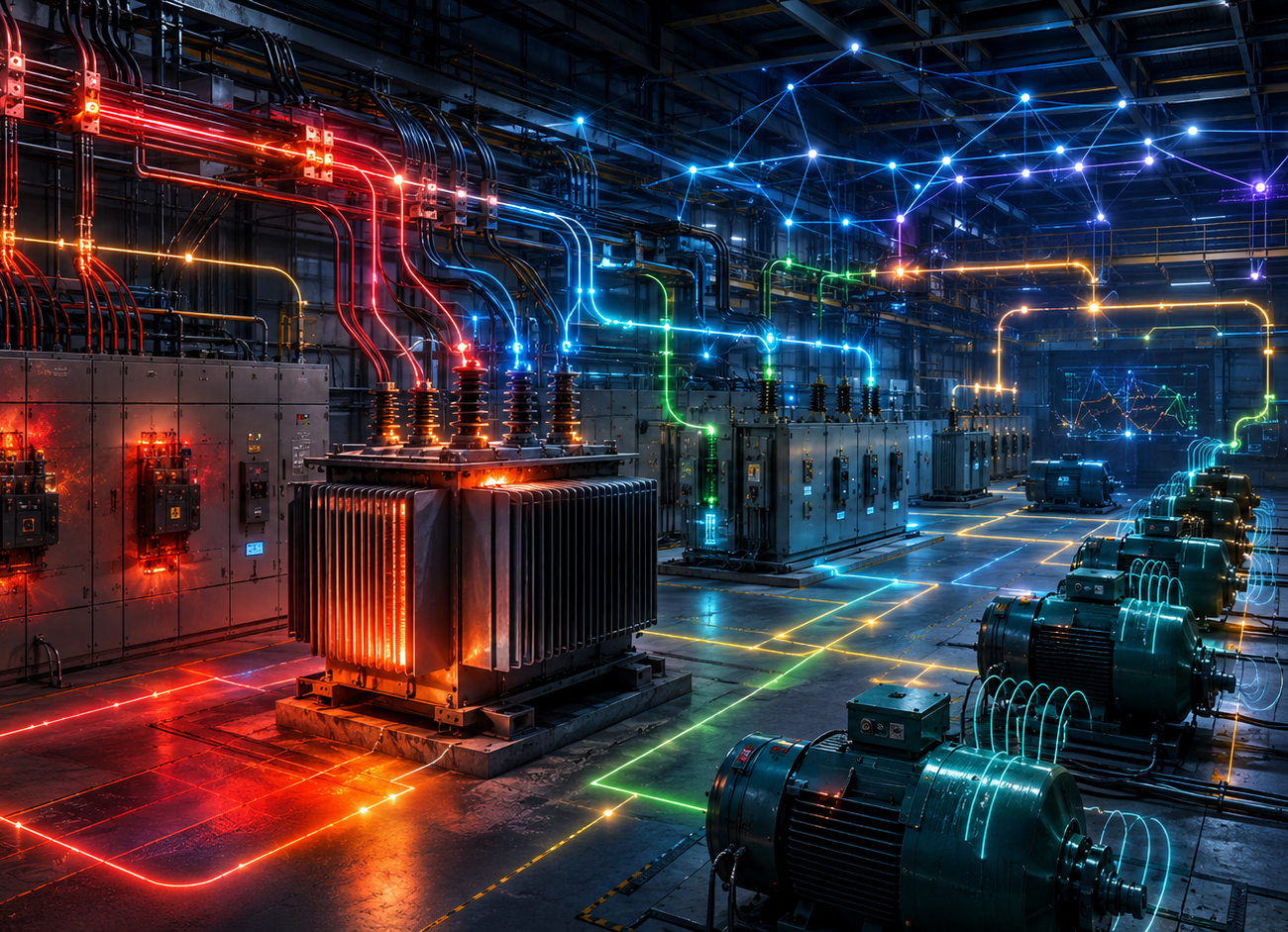
Load flow analysis helps identify several electrical issues in industrial systems, including:
- Improper load distribution across feeders and panels
- Overloaded transformers, cables, and switchgear
- Voltage drops beyond acceptable limits (typically 3–5% as per standards
- Unbalanced loading in three-phase systems
- Poor system design or expansion without proper analysis
- Excessive reactive power demand due to inductive loads
- Inefficient utilization of electrical infrastructure
These issues often develop over time and can significantly impact system performance.
Impact on Industrial Electrical Systems
Electrical issues identified through load flow study can have major impacts on industrial operations:
- Reduced efficiency of motors and electrical equipment
- Increased current flow leading to higher energy losses
- Overheating of cables, transformers, and panels
- Voltage instability affecting sensitive equipment
- Increased electricity costs due to inefficiencies
- Reduced lifespan of electrical components
- Higher risk of equipment failure and production downtime
Industries such as manufacturing, chemical plants, and commercial facilities are particularly affected by these issues.
How Industries Can Identify the Problem
Industries use various techniques to perform load flow analysis and detect electrical inefficiencies, including:
- Power system studies using specialized software tools
- Electrical measurements and load monitoring
- Use of power analyzers and data loggers
- Sub-metering systems for detailed load analysis
- Integration with power quality analysis
These methods help in accurately evaluating system performance and identifying areas of improvement.
Importance of Professional Electrical Analysis
Professional electrical analysis plays a vital role in conducting accurate load flow studies for complex industrial networks. Services such as:
- Load flow and power system studies
- Energy audits
- Power quality audits
- Electrical distribution system analysis
- Thermography inspections
help industries identify inefficiencies, optimize load distribution, and improve system reliability.
Organizations like Three Phase Techno Solutions provide expert load flow analysis and electrical system studies, helping industries optimize power distribution, reduce losses, and ensure safe and efficient operations.

Benefits of Load Flow Study
Performing load flow studies offers several advantages for industrial facilities:
- Improved voltage regulation and system stability
- Optimized load distribution across the network
- Reduced energy losses and electricity costs
- Better utilization of electrical infrastructure
- Increased equipment reliability and lifespan
- Enhanced planning for system expansion
- Reduced risk of failures and downtime
Conclusion
Load flow study is an essential tool for analyzing and optimizing industrial electrical networks. It helps identify issues such as voltage drops, overloading, and inefficient load distribution that can impact system performance and energy efficiency. By conducting regular load flow analysis and implementing corrective measures, industries can improve reliability, reduce operational costs, and ensure efficient power system operation. These practices, when aligned with standards such as IEC, IEEE, and IS, help maintain safe, stable, and high-performance electrical systems.