Energy costs are a significant operational expense for many industries. Electricity tariffs today are not only based on the total energy consumed but also on factors such as maximum demand and Time-of-Day (ToD) tariffs. Without proper monitoring and control, industries may unknowingly incur higher electricity charges.
By implementing Demand Control and Time-of-Day (ToD) Optimization, businesses can manage their power consumption more efficiently and significantly reduce electricity costs. These strategies help industries improve energy efficiency while increasing overall profitability.
Understanding Maximum Demand in Electricity Tariffs
Maximum demand refers to the highest level of power consumption recorded during a billing cycle, usually measured in kilowatts (kW) or kVA. Electricity utilities charge industries not only for energy consumption (kWh) but also for the maximum demand reached during peak operation. If demand spikes above the contracted limit, industries may face additional charges or penalties. For industrial facilities operating heavy machinery such as motors, compressors, furnaces, and HVAC systems, uncontrolled demand spikes can substantially increase electricity bills.
What Is Demand Control?
Demand control is the process of managing and optimizing power consumption to ensure that electrical demand does not exceed predefined limits.
Through proper demand control strategies, industries can:
- Prevent peak demand spikes
- Avoid maximum demand penalties
- Balance electrical load across equipment
- Improve overall energy efficiency
Modern Energy Management Systems (EnMS) enable industries to monitor demand in real time and take corrective actions before demand limits are exceeded.

What Is Time-of-Day (ToD) Optimization?
Many electricity tariffs follow Time-of-Day (ToD) pricing, where electricity rates vary depending on the time of usage.
Typically, electricity tariffs are categorized into:
- Peak hours: Higher electricity cost
- Normal hours: Standard tariff rates
- Off-peak hours: Lower electricity cost
Industries that operate continuously can benefit by shifting certain operations to off-peak hours, thereby reducing electricity expenses. This strategy is known as ToD optimization.
How Demand Control Improves Profitability
Avoiding MD Penalties

Demand spikes during simultaneous operation of multiple machines can cause maximum demand to exceed contracted limits. Demand control helps monitor power usage and avoid these spikes, preventing unnecessary penalties.
Optimizing Equipment Operation

Through demand monitoring, industries can schedule heavy equipment such as compressors, chillers, or large motors in a way that prevents sudden load increases. This improves electrical system stability and reduces energy costs.
Better Load Distribution

Demand control allows industries to distribute electrical load efficiently across different operational periods. Balanced load distribution reduces stress on electrical infrastructure and improves equipment performance.
How ToD Optimization Reduces Energy Cost
1. Shifting Operations to Off-Peak Hours
Processes that do not require immediate operation can be scheduled during low-tariff periods, reducing overall electricity expenses.
Examples include:
- Batch processing
- Water pumping operations
- Charging systems
- Utility equipment operation
2. Reducing Peak Hour Consumption
By reducing energy consumption during peak tariff hours, industries can significantly lower electricity bills.
3. Improving Energy Management Strategy
ToD optimization encourages industries to plan their operations based on electricity pricing patterns, leading to smarter energy usage.
Role of Real-Time Energy Monitoring
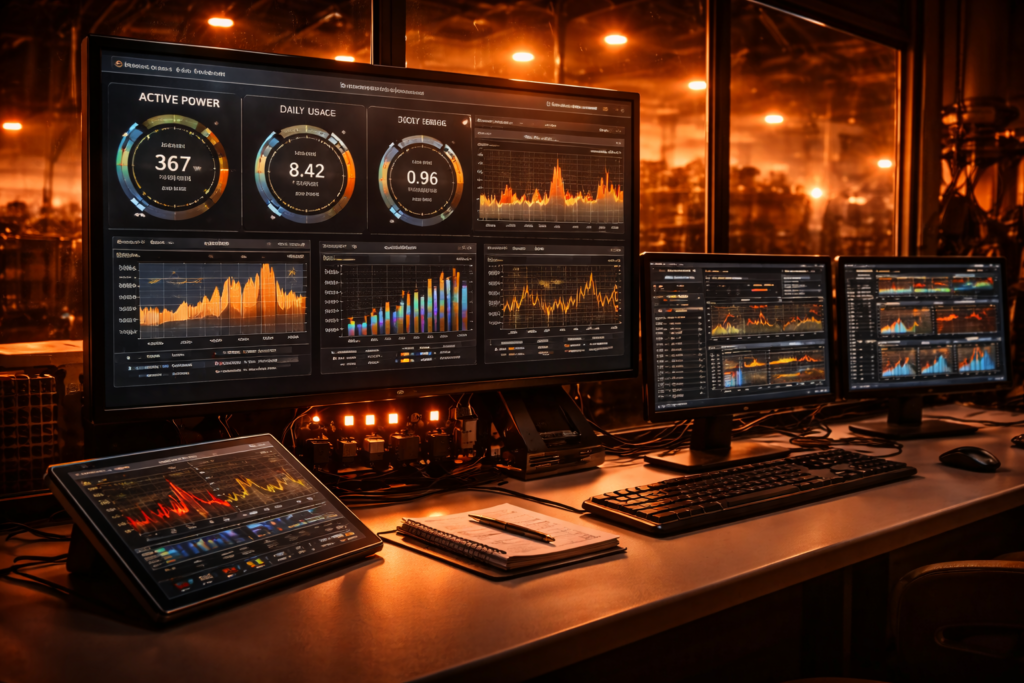
Effective demand control and ToD optimization require continuous visibility into electrical parameters. Real-time energy monitoring systems provide this visibility by tracking parameters such as:
- Active power
- Energy consumption
- Maximum demand
- Power factor
- Voltage and current
Energy monitoring platforms allow operators to identify demand spikes and adjust equipment operation accordingly.
Benefits of Demand Control and ToD Optimization
Implementing these strategies provides several advantages:
- Reduced electricity bills
- Elimination of demand penalties
- Improved energy efficiency
- Better equipment utilization
- Enhanced operational planning
For industries with high electricity consumption, these improvements directly contribute to increased profitability.

How Three Phase Techno Solutions Helps Industries Optimize Energy
Three Phase Techno Solutions provides advanced energy monitoring and management solutions that help industries optimize electricity consumption.
Our services include:
- Real-time energy monitoring systems
- Demand monitoring and optimization
- Energy audits and efficiency analysis
- Power quality analysis
- Electrical safety inspections
Using data-driven insights and engineering expertise, we help industries implement practical strategies to reduce electricity costs and improve operational efficiency.
Conclusion
Electricity tariffs are becoming increasingly complex, with charges based on both consumption and demand patterns. Industries that do not actively manage their energy usage may face unnecessary costs. By implementing Demand Control and Time-of-Day (ToD) Optimization, businesses can better manage electricity consumption, reduce operational expenses, and improve overall profitability. For organizations seeking long-term energy efficiency, adopting structured energy management strategies is a key step toward sustainable industrial operations.